Better Cancer Models
Investigating tumor biology under microgravity to complement existing preclinical models.
Better cancer models. Better drug decisions.
Built for space. Designed for biology.
Investigating tumor biology under microgravity to complement existing preclinical models.
Exploring biological evidence that could help identify weak drug candidates sooner.
Autonomous laboratories engineered around the needs of scientific research.
Combining aerospace engineering, cancer biology, and pharmaceutical research in one platform.

.png)
Our autonomous laboratory platform for cancer research in microgravity.
.png)
Our laboratories are developed around defined cancer research questions, experimental controls, and biological measurements.
.png)
In just nine months, we engineered and launched BIOBOX-01, demonstrating autonomous cancer research in space and successfully recovering our biological samples.


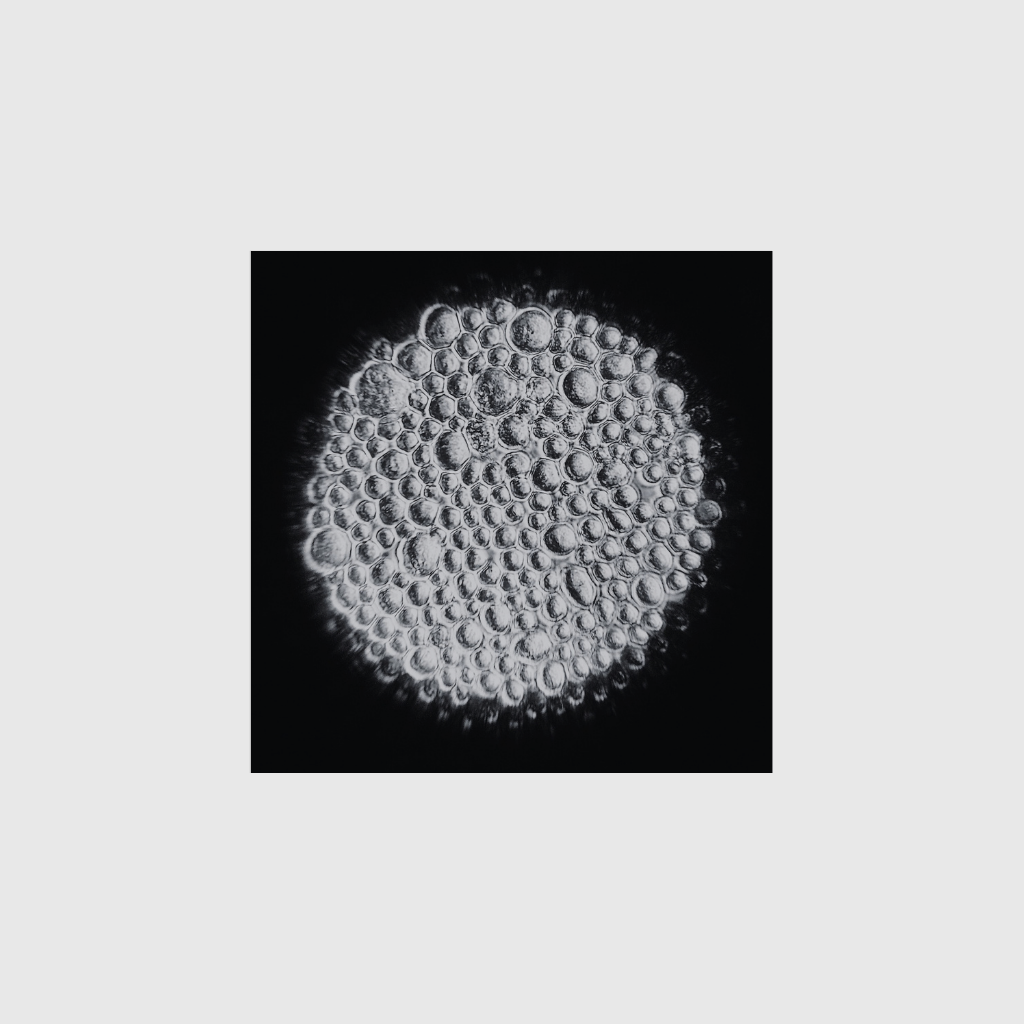
Investigating three-dimensional tumor biology.
What’s inside
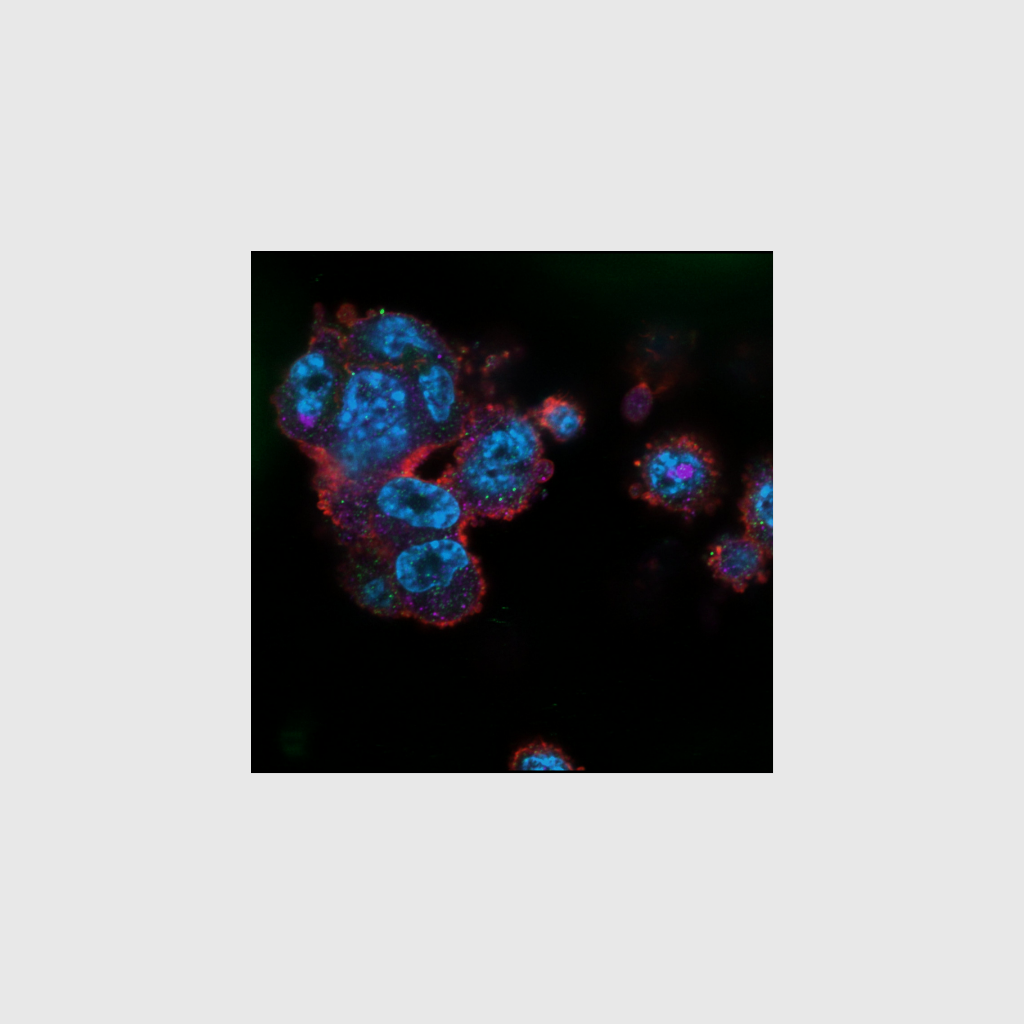
Breast-cancer spheroids
3D cellular organization
Cell adhesion
Tumor biology
Studying cancer under different physical conditions.
What’s inside
Autonomous experiments
Controlled environments
Matched ground controls
Biological sample handling
Developing methods to compare therapeutic responses.
What’s inside
Candidate evaluation
Comparative experiments
Drug-response measurements
Research reproducibility
Working toward evidence for better pharmaceutical decisions.
What’s inside
Molecular profiling
Comparative analysis
Biological response data
Future screening applications


First Mission
Development to Launch
Two ways to advance cancer research with SPARK.
For universities & researchers
1
$38
research mission
fully supported
per month
billed monthly
Hardware access
Joint study design & controls
Sample return
Shared research results
For oncology and drug discovery
3
$64
year program
co-developed with SPARK
per month
billed monthly
Custom oncology research plan
Comparative response studies
Reproducibility & validation
Candidate-prioritization insights
Cancel anytime
SSL encryption
Live chat
We build small, automated laboratories that study cancer cells in space. Our goal is to develop better cancer models that help pharmaceutical companies understand which treatments are most promising before testing them in patients.
Because cancer cells can behave differently without Earth's gravity. Research has shown that, under certain conditions, they can grow into three-dimensional structures that share some features with tumors in the human body.
This could help scientists study cancer in new ways and better understand how treatments affect it.
Cancer cells are often studied in flat layers in a laboratory. But tumors inside our bodies are three-dimensional and much more complex.
In microgravity, certain cancer cells can form 3D structures that reproduce some features of real tumors. We're investigating whether these models can tell us things that traditional methods might miss.
Yes! In May 2026, we launched our first autonomous laboratory, BIOBOX-01, carrying 3D breast-cancer cell clusters. The experiment operated in space, and we successfully recovered the biological samples. Now we're working toward longer experiments to study how cancer cells respond to different treatments.
Developing cancer treatments is expensive, and many promising drugs fail after years of research. We want to help pharmaceutical companies identify treatments that are less likely to work earlier in development, so they can focus their time and resources on the most promising ones. We're currently developing and testing the research methods needed to make this possible.
Can’t find your answer, contact us.

Explore